Is an ADU Right for Your Central MA Home? A Guide to Goals and Property Feasibility
/Is an ADU Right for Your Central MA Property and Goals?
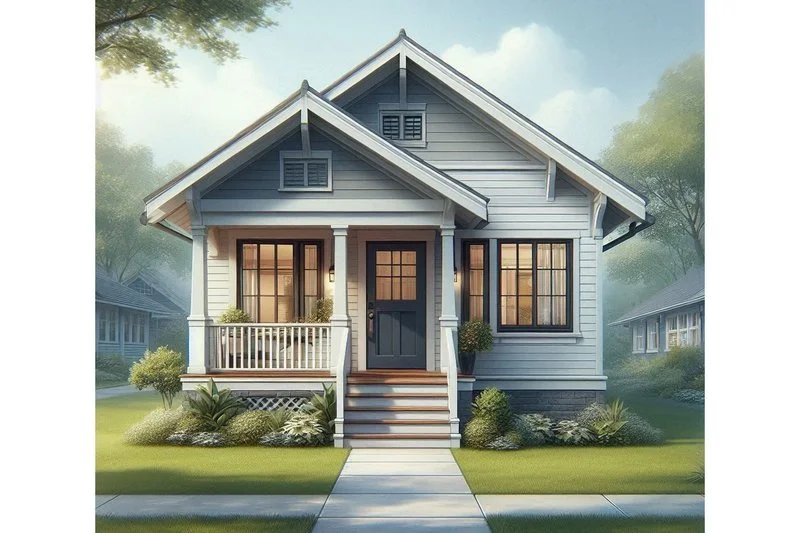
Accessory Dwelling Units (ADUs), often called in-law suites or backyard cottages, have become an increasingly popular option for homeowners who need more flexible living space without leaving the neighborhood they love. Whether the goal is housing a family member, creating long-term flexibility, or adding value to a property, an ADU can be a smart solution—but it isn’t the right fit for every home.
At Core Remodeling Services, we believe the best projects start with a "goals-first" approach. Before you look at floor plans, it’s essential to evaluate your property and your "why."
Defining Your "Why": The Real Goal of an ADU
The first question to ask is not how much an ADU costs, but what problem it is solving for your family. Many homeowners we speak with in towns like Worcester, Shrewsbury, Hopkinton, Grafton, and Sturbridge are looking for space that supports real life changes:
Multigenerational Living: Providing aging parents with independence and proximity.
The "Boomerang" Effect: Creating a private space for adult children returning home.
Future-Planning: Creating a space for a live-in caregiver or a downsized primary residence for yourself later in life.
When the goal is long-term usability and privacy, an ADU often checks boxes that a standard room addition or basement remodel cannot.
Property Feasibility: Can Your Land Support an ADU?
Your property plays a major role in determining what is possible. In many MetroWest and Central Massachusetts towns, including Northborough, Westborough, Auburn, and Sutton, feasibility comes down to physical site conditions:
Lot Size & Setbacks: Does your land have enough "unbuildable" space between the structure and the property line?
Utility Access: Can your current electrical and plumbing systems support an additional unit?
Topography: Is the land level enough for a detached structure, or would an attached conversion (like a walk-out basement) be more cost-effective?
ADU vs. Traditional Remodeling: A Quick Comparison
Privacy
An ADU provides a separate living space with its own entrance, offering a high level of privacy for both the main home and the occupant. A home addition or remodel typically shares entry points and living walls, resulting in a more integrated living arrangement.
Flexibility
An ADU functions as a standalone residence that can adapt to changing needs over time, such as housing family members now or serving a different purpose later. A home addition or remodel becomes part of the main home layout and is designed primarily for the current use.
Resale Value
ADUs often appeal strongly to multi-generational buyers and homeowners looking for flexible living options. A home addition or remodel increases overall square footage, which can improve resale value but may not offer the same level of independent living flexibility.
Complexity
Complexity
Building an ADU generally involves a higher level of complexity, including zoning considerations and separate utility planning. Home additions and remodels typically follow more standard permitting processes and integrate into existing utilities, making them moderately complex by comparison.
Local Resources: Navigating ADU Rules in Your Town
As of February 2025, Massachusetts law (the Affordable Homes Act) allows ADUs under 900 sq. ft. "by-right" in single-family zones. This means you generally do not need a special permit to build one. However, your town still regulates where on the lot you can build and how you connect to utilities.
Below are direct links to the planning and zoning departments for the communities we serve. Use these to find your town’s specific setbacks and application forms:
Worcester ADU Guide: A detailed guide on size limits and the "by-right" process in the city.
Shrewsbury Planning & Economic Development: Check here for Shrewsbury's updated zoning bylaws and site plan review steps.
Grafton Planning Department: Information on Grafton's compliance with the new state ADU standards.
Westborough Zoning eCode: Search for "Accessory Dwelling" to see local dimensional requirements.
Hopkinton Planning Board: Essential for understanding setbacks and "MBTA Communities" zoning impacts.
Sturbridge Zoning Bylaws: View Section 300-11.3 for Sturbridge’s "By-Right" ADU standards.
Important "Did You Know?" for MA Homeowners
The 900 Sq. Ft. Rule: If your ADU is under 900 square feet (or half the size of your main house), towns cannot require a special permit.
No Owner Occupancy Required: Under the 2025 state law, towns can no longer require the owner to live on the property to have an ADU.
Parking: If you are within 0.5 miles of a commuter rail or bus station, your town cannot require you to add extra parking for the ADU.
Why Work with a Design-Build Firm?
Navigating these regulations can be overwhelming. At Core Remodeling Services, we handle the research, design, and permitting for you. We coordinate directly with building inspectors in Auburn, Sutton, Holden, Oxford, and any town we service to ensure your project is compliant before construction begins.
Take the Next Step
Ready to see if your property is a candidate for an ADU? [Contact Core Remodeling Services today] to schedule a feasibility consultation. We’ll help you navigate the regulations and design a space that fits your lifestyle perfectly.